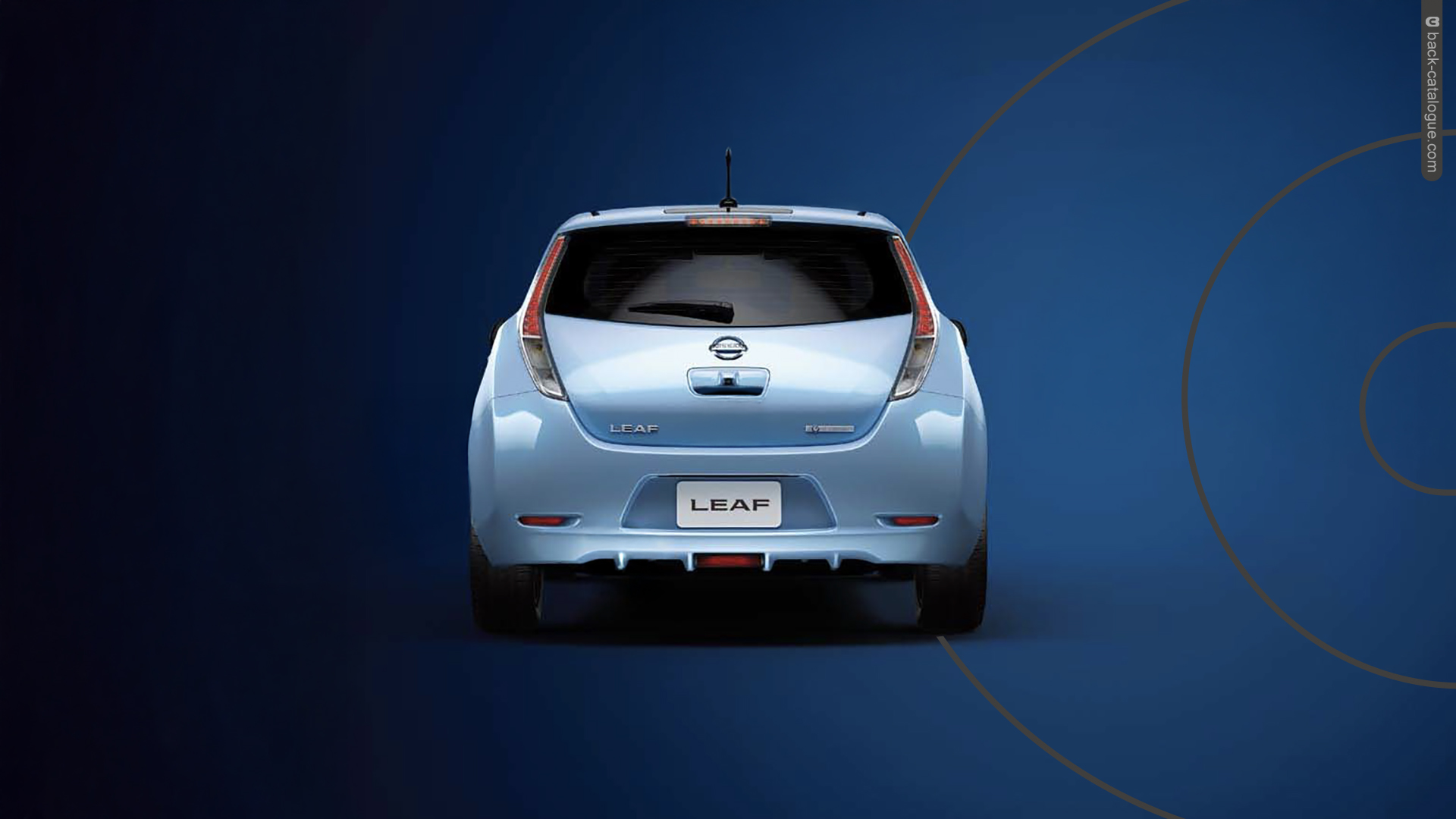
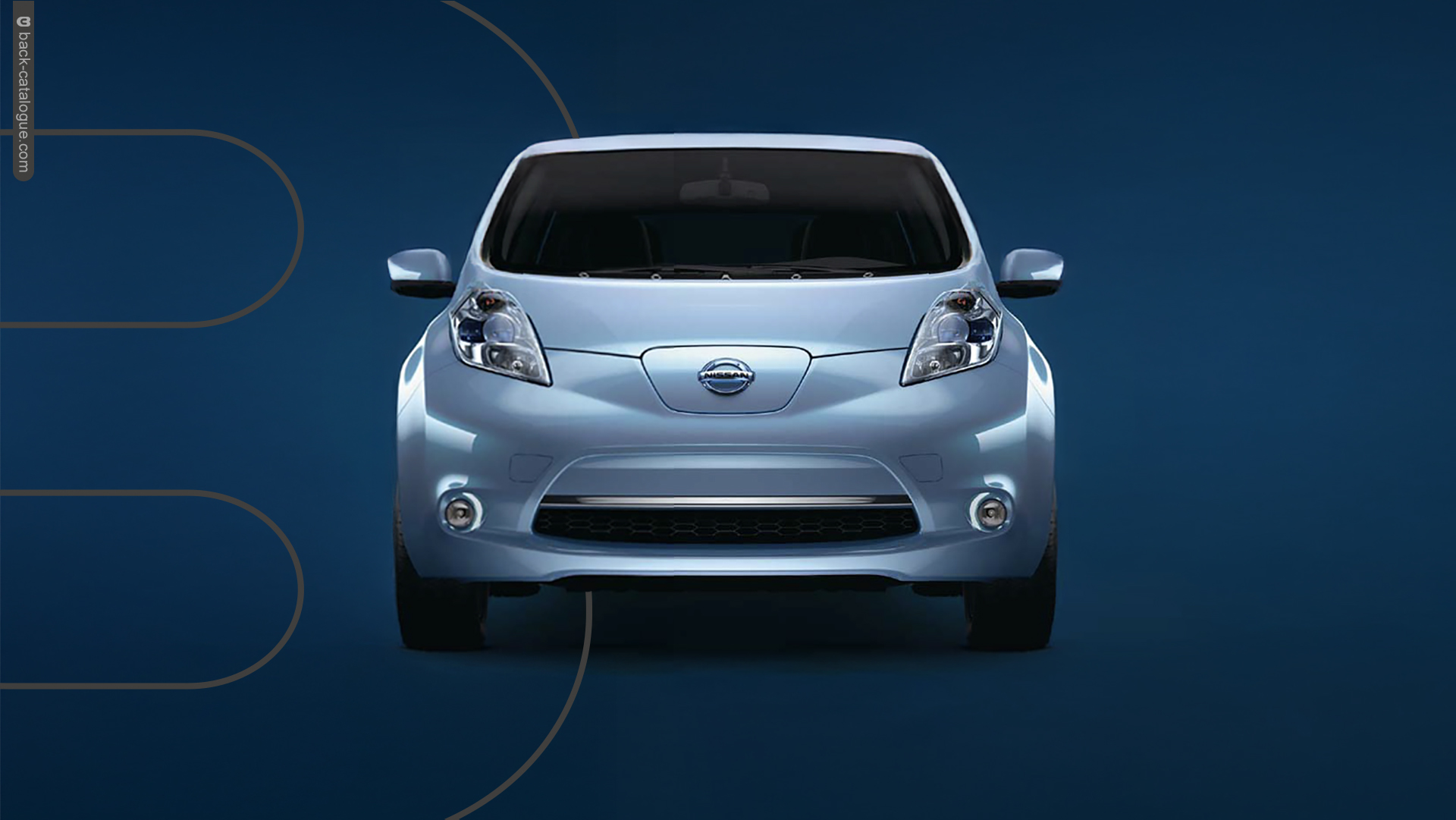
Before Tesla took the spotlight, and long before Chinese brands like BYD, NIO, and XPeng began flooding the market with high-tech EVs, there was the Nissan Leaf. Launched in 2010, the Leaf wasn’t just another eco-friendly experiment—it was the world’s first mass-produced, mainstream electric car, proving that zero-emission driving could be practical, reliable, and accessible to everyday drivers.
Nissan pitched the Leaf as more than a car—it was a movement. With its campaign line “SHIFT_”, Nissan wanted drivers to rethink what a car could be. Instead of pumping fuel, you plugged in. Instead of exhaust pipes, you had clean air. Instead of compromise, you had innovation.
For 2010, that was revolutionary.
The original Leaf was powered by an 80kW electric motor delivering 280Nm of instant torque—enough to make it feel zippy around town compared to many compact petrol cars of its day. With a 24kWh lithium-ion battery, it offered around 100 miles (160km) of range on a fresh charge, which was perfectly adequate for city and suburban commuting.
It even came with regenerative braking, capturing energy every time you lifted your foot. The top speed of 90mph (140km/h) made it highway-capable too.
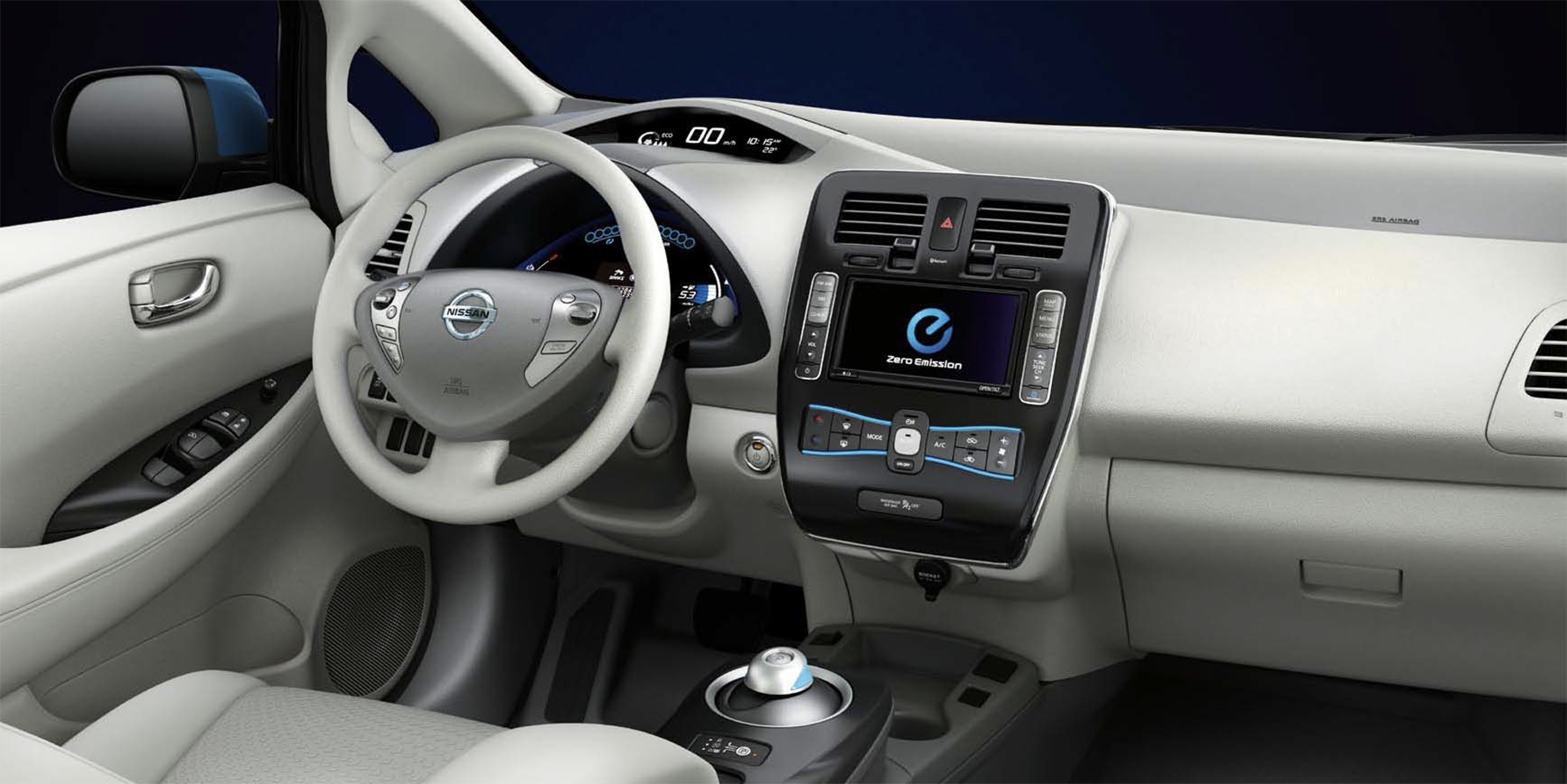
Nissan didn’t just put batteries in a conventional car body. The Leaf had an aerodynamic shape to reduce drag, quiet the cabin, and stretch the range. Inside, it looked futuristic with a palm-shift drive selector, a 7-inch touchscreen with EV navigation, and even a tree display game that rewarded efficient driving.
And while Teslas today boast mobile app control, the Leaf had it back in 2010 — you could schedule charging or pre - cool the cabin from your phone or PC.
Nissan worked hard to make the Leaf feel like a real family car, not a science project. It had five seats, a roomy boot, and all the tech you’d expect: cruise control, Bluetooth, USB/iPod connectivity, automatic climate control, and even a rear-view camera.
On the safety front, it was just as advanced as petrol rivals, offering six airbags, ABS, ESP, and ISOFIX child seat anchors. Environmentally, Nissan used recycled materials throughout the cabin and made the Leaf 95% recyclable at the end of its life.
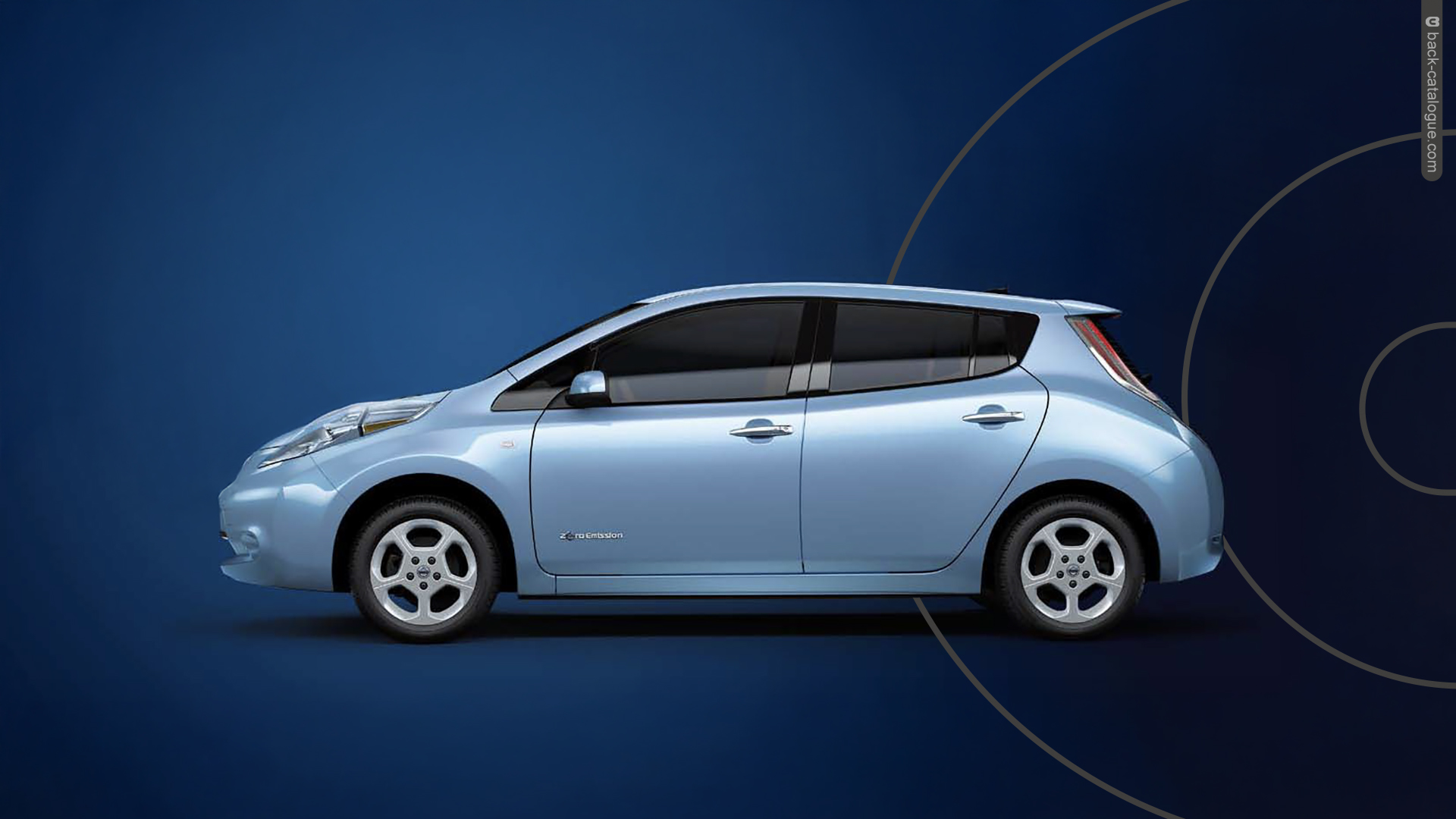
Looking back, the 2010 Leaf deserves more credit than it gets. It was the first EV that normal people could buy and drive every day. It proved that electric cars weren’t just quirky city runabouts or luxury toys—they could be family-friendly, practical, and mass-produced.
Without the Leaf paving the way, Tesla’s success and the explosion of affordable EVs from China might have taken much longer to arrive.
The 2010 Nissan Leaf was more than just a car—it was a bold statement. It showed that the future of driving could be cleaner, quieter, and smarter. Today’s EV boom owes a lot to this pioneering hatchback that dared to shift our perspective.
So next time you see a sleek new Tesla or a high-tech Chinese EV, remember: the Leaf got there first.