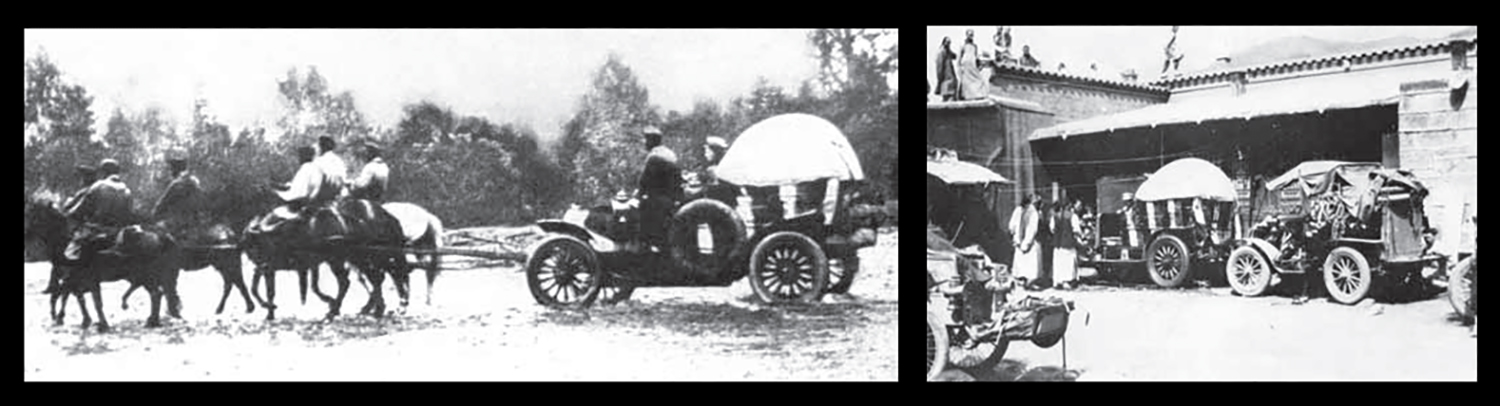
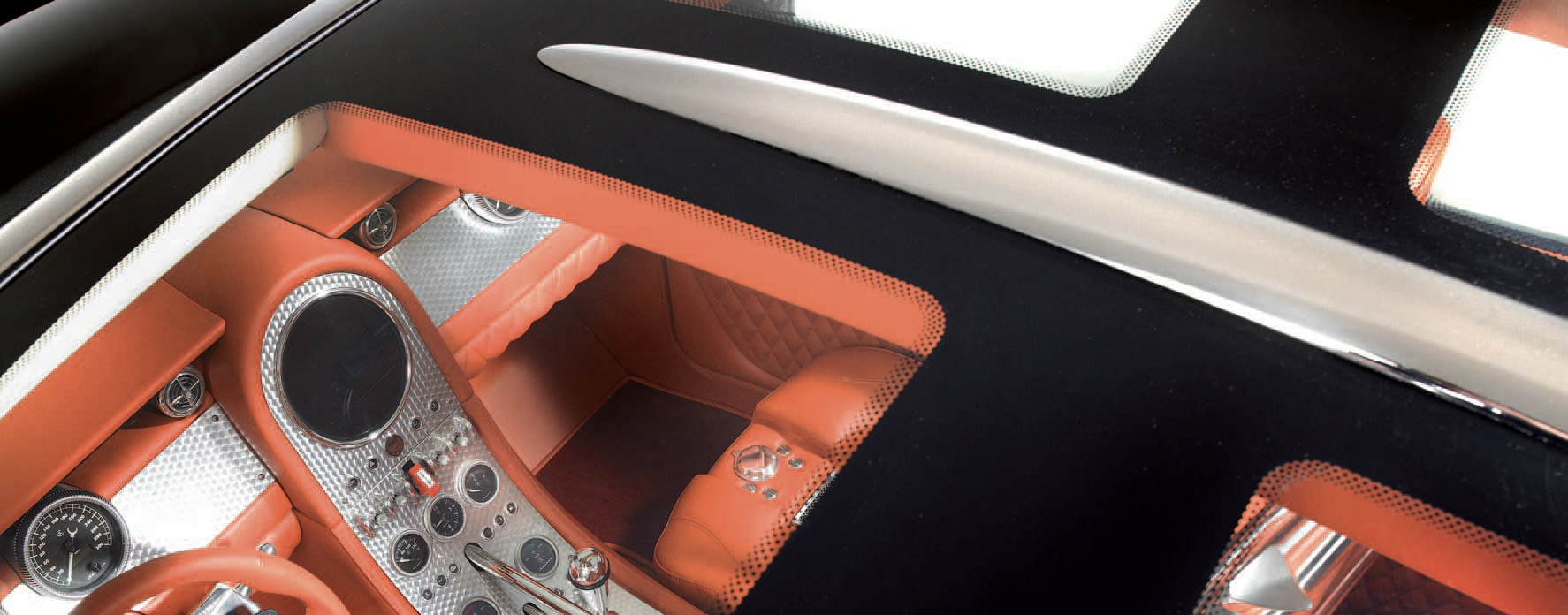
The Spyker D8 Peking-to-Paris traces its origins back, through three milestone Spyker models, each of which contributed significantly to the company’s heritage. This heritage, one of our core brand values, influences the current models heavily. The first source of inspiration for the 4WD D8 Spyker Peking-to-Paris is, of course, the 1903 Spyker 60HP Grand Prix car: the world’s first six-cylinder four-wheel drive car. The second source of inspiration for the D8 Peking-to- Paris is Spyker’s unique aviation heritage which created the first Spyker car after the Great War in 1919: the Spyker ‘Aerocoque’ with a fuselage style body and a remarkable fintail. This model was the first Spyker to see the introduction of aircraft technology and design in Spyker road cars. The Aerocoque’s fintail led to the functional roof fin on the D8 Pekingto- Paris as well as the aircraft inspired interior with the triple gauges and central B-pillar, CNC machined from a solid billet of aluminium. The final historical reference for the D8 Peking-to-Paris was its namesake from the Peking to Paris Raid. When in 1907 the French newspaper “Le Matin” organised a rally from a city everyone knew, but no car had ever been to - Peking - a Spyker 14/18 HP Tourer was entered right away by a Frenchman called Goddard. It was to become the most gruelling rally of all times, which took a tremendous toll on the participants: an unprecedented challenge for man and machine.
After more than two months Goddard and his Spyker arrived in Paris, having crossed territory where for the most part no car had ever dared to go. To pay tribute to his tremendous achievement, Spyker decided to name its first off-the-road car after the Peking-to-Paris raid, in which it proved its durability and quality like never before nor after. The pioneering spirit it embodied is also found in the Spyker D8 Peking-to-Paris: it enters an entirely new market segment, that of the Super Sports Utility Vehicle, a segment that is currently uncharted.
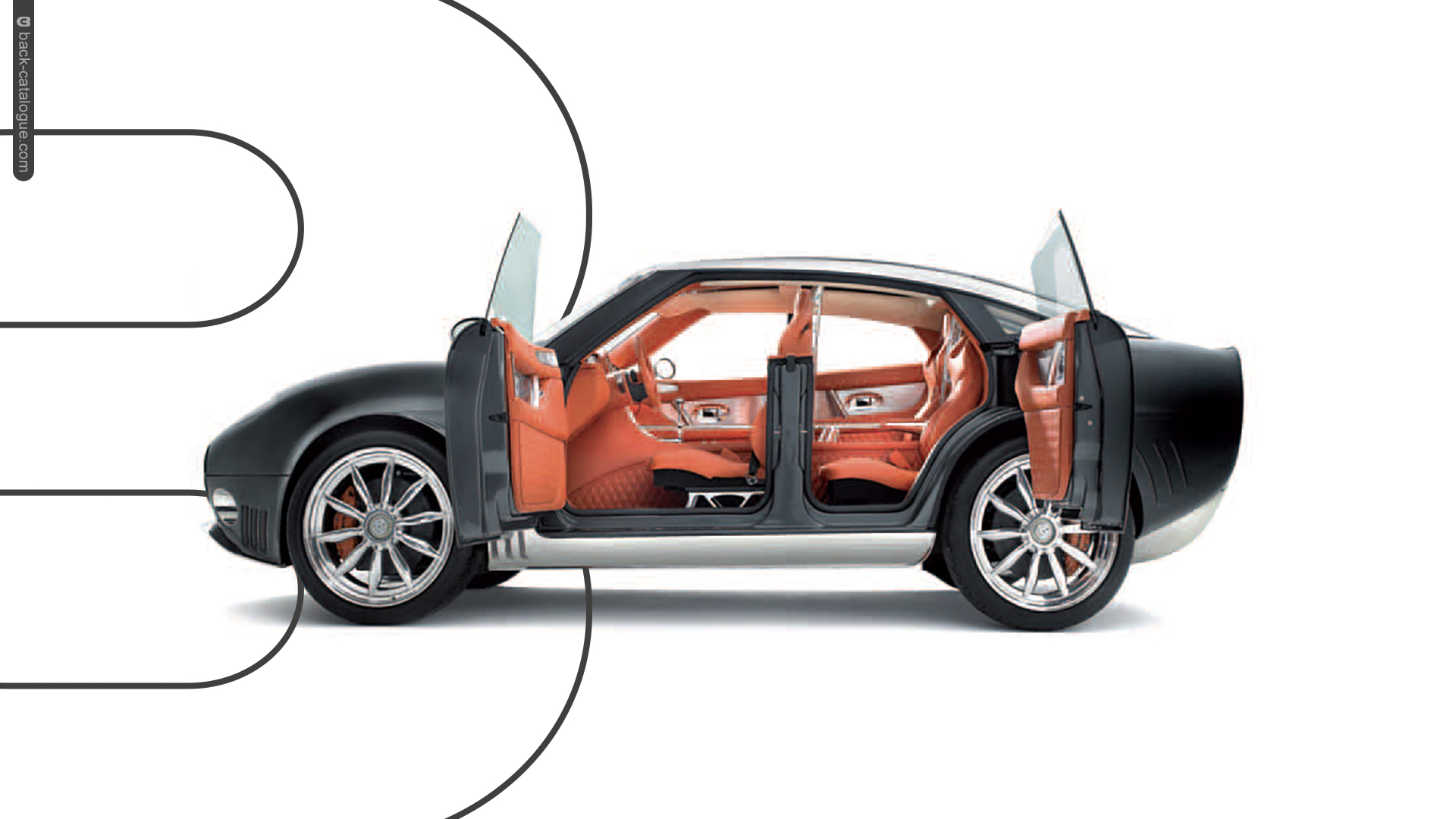
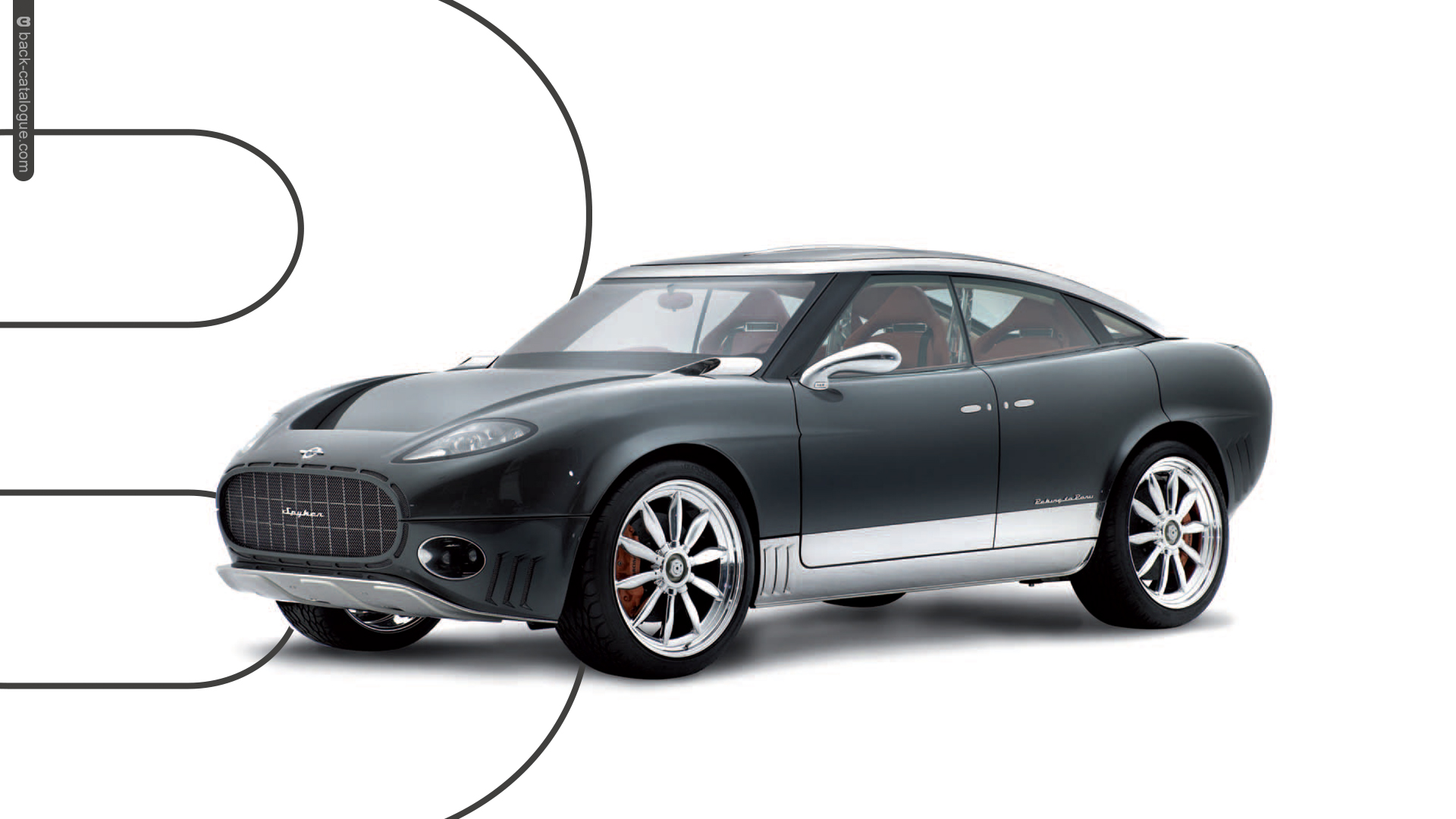
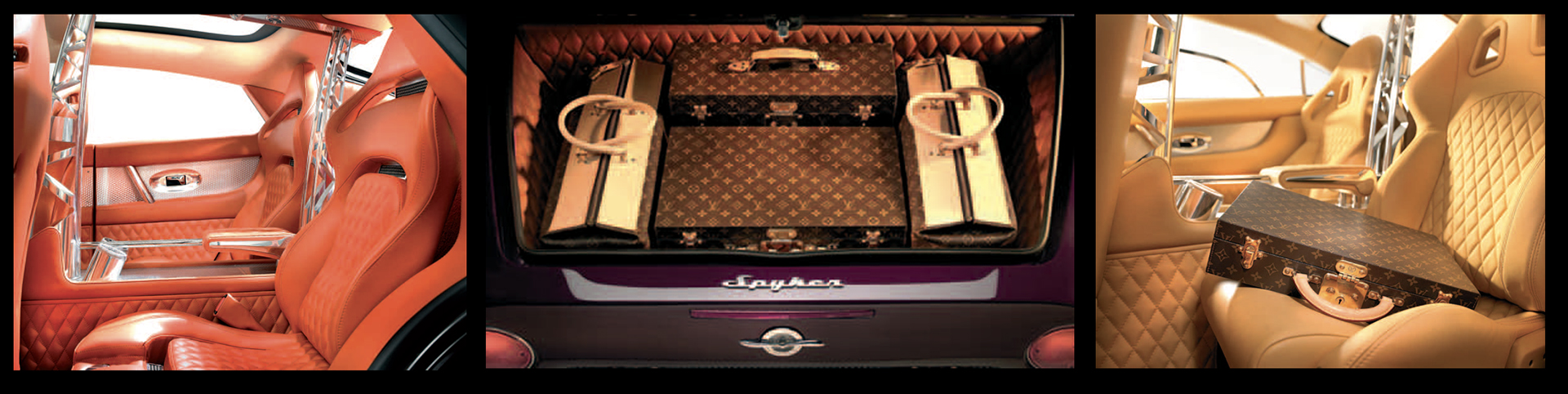
An entire generation of customers, used to driving super sports cars, is facing an interesting challenge: matching their desire to continue enjoying driving sensations of a super sports car with the reality of their exacting family life. Longing for super sports car excitement, for cars that tantalize all of their senses, for cars that combine exceptional performance with exotic looks. Cars built with passion, cars with soul. Exquisite pieces of car jewellery. Such a car now exists: a relatively light weight 1850 kgs SSUV which performs like a super sports car but offers four or five comfortable seats, easy access through four coach doors and a spacious luggage compartment. The Spyker D8 Peking-to-Paris is an all aluminium, permanent four-wheel drive super sports utility vehicle. The rear doors are rear-hinged coach doors. It is powered by the 6.2 litre, 8 cylinder, 550 bhp V8 engine and accelerates from 0-100 KM (0-60 MPH) in 4.8 seconds. The six-speed automatic transmission features a multifunctional steering wheel with F1 style shift paddles, a triple dashboard designed in the style of an airplane cockpit and a sumptuous interior. The vehicle has an all aluminium body fitted to an aluminium space frame and sits on 24” Rotorblade™ wheels. It has a length of 5.05 m, a width of 2.0 m excluding mirrors, a minimum height of 1.68 m and a maximum height of 1.77 m. The fuel tank capacity is 100 litres (22 gallons). Top speed is 295 km/h (185 mph). The car is custom-hand built using only the best materials available.
Engine Super Charged
Top Speed (km/h)
0-100 km/h (sec)
| Engine Super Charged | V8 | ||
| Capacity | 6162 cc | ||
| Power | 415 kW (556 hp) | ||
| Torque | 747 Nm | ||
| Max. revolutions | 6500 rpm | ||
| Sizes and weights | |||
| KERB weight | 1850 kg (4079 lbs) | ||
| Wheelbase | 3055 mm (120,3”) | ||
| Front track | 1719 mm (67,68”) | ||
| Rear track | 1800 mm (70,87”) | ||
| Length | 5213 mm (205,2”) | ||
| Width (ex mirrors) | 2013 mm (79,25”) | ||
| Height | 1686 mm (66,38”) | ||
| Fuel tank capacity | 100 litre (26,42 gallons) | ||
| Performance | |||
| Top speed km/h (mph) | 285 (177,1) | ||
| Acceleration 0-100 km/h (0-60 mph) | 5 seconds | ||